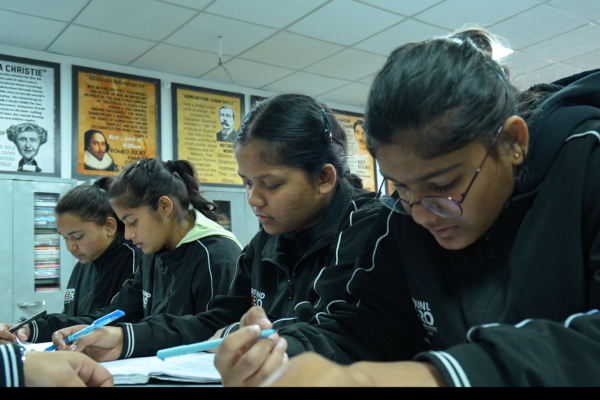
Many NDA aspirants clear the written exam but stumble at the SSB interview stage. This happens because they approach it like just another test, focusing on rote learning or superficial preparation. In reality, most failures stem from a mismatch between the candidate’s natural personality and the officer-like traits the board seeks. Overconfidence, inconsistency, or trying to project a false image often leads to rejection. The SSB isn’t about measuring your IQ or academic brilliance; it’s a holistic personality assessment designed to identify if you have the potential to lead in the armed forces. Success in the first attempt is possible, but it requires genuine self-improvement, not quick fixes. Realistic expectations are key—while some candidates get recommended on their first try, it often depends on how well your everyday habits align with what the board evaluates. Preparation should start early, building habits that reflect true officer qualities.
Understanding What SSB Interview Really Tests
The SSB interview evaluates Officer Like Qualities (OLQs), which are the core traits expected in armed forces officers. These 15 OLQs are grouped into four categories: Planning and Organising (Effective Intelligence, Reasoning Ability, Organising Ability, Power of Expression), Social Adjustment (Social Adaptability, Cooperation, Sense of Responsibility), Social Effectiveness (Initiative, Self-Confidence, Speed of Decision, Ability to Influence the Group, Liveliness), and Dynamism (Determination, Courage, Stamina). They aren’t superhuman skills but practical attributes that help in decision-making, teamwork, and resilience under pressure.
Psychology tests, Group Testing Officer (GTO) tasks, and the personal interview all assess these same OLQs from different angles. For instance, psychology reveals your subconscious thoughts, GTO observes your behavior in group dynamics, and the interview checks your self-awareness and consistency. The key is personality consistency—assessors cross-verify responses across rounds to ensure you’re not faking traits. If your stories in psychology don’t match your interview answers, it raises red flags. Remember, the SSB is a 5-day process: Day 1 for screening (OIR and PPDT), Day 2 for psychology, Days 3-4 for GTO and interview, and Day 5 for conference. Success comes from being your authentic self, refined through daily practice.
This stage plays a decisive role in first-attempt recommendations.
Psychology Tests – Correct Way to Prepare in SSB Interview
Psychology tests include Thematic Apperception Test (TAT), Word Association Test (WAT), Situation Reaction Test (SRT), and Self-Description (SD). In TAT, you’re shown 12 pictures (including one blank) and must write stories in 4 minutes each, revealing your thought process. WAT involves responding to 60 words in 15 seconds each, SRT requires reactions to 60 situations in 30 minutes, and SD is a 15-minute self-appraisal from various perspectives.
Assessors look for natural OLQs like initiative, responsibility, and effective intelligence in your responses—not rehearsed perfection. They analyze patterns: Do your stories show positive, solution-oriented thinking? Common mistakes include writing overly heroic or negative narratives, copying templates from books, or leaving responses blank due to panic. Originality matters because memorized answers lack depth and contradict your true personality, which shows up in other tests. To prepare, practice daily journaling to improve quick, honest thinking. Read newspapers to broaden perspectives, but focus on expressing your genuine views. If creativity isn’t your strength, work on it gradually—success depends on your inherent mindset.
Personal Interview – Honest Preparation for SSB Interview
The personal interview, conducted by the Interviewing Officer, lasts 30-60 minutes and delves into your academics, family background, daily routine, achievements, hobbies, and views on current affairs. It’s not a grilling but a conversation to gauge self-awareness and OLQs like self-confidence and sense of responsibility.
Self-awareness is crucial—know your strengths, weaknesses, and life experiences deeply. Fake answers are easily spotted because officers cross-reference with your psychology responses and PIQ form. For example, claiming a hobby you don’t practice will unravel under probing. Prepare by reflecting honestly: Review your academics without excuses, understand family influences, and link routines to discipline. Practice articulating thoughts clearly, but don’t memorize scripts. If you’re weak in communication, work on it through mock interviews, but authenticity wins. Success hinges on being truthful, as the interview reveals if your personality fits the armed forces’ demands.
Daily Discipline & Mental Conditioning
Building OLQs requires daily discipline. Maintain a routine with physical fitness—running, exercises—to build stamina and courage. Reading habits, like newspapers or books on defence, enhance reasoning and power of expression. Mental conditioning involves focus; tools like the Forest app can help control distractions initially, but true progress comes from self-discipline, not relying on apps.
Consistency in small habits shapes your personality. Wake up early, plan your day, and reflect on actions—these mirror SSB expectations. If discipline is a challenge, start small and build up; it depends on your commitment. This isn’t about overnight change but long-term habits that make OLQs second nature.
NDA Aspirants: Why Early Preparation Matters
For NDA aspirants, SSB judges maturity at a young age (16.5-19.5 years), expecting school-level experiences to show emerging OLQs like initiative and responsibility. Early preparation matters because NDA entry demands a foundational mindset—academic focus, extracurriculars, and leadership in school activities.
Consistency from school life builds authenticity; sporadic efforts won’t suffice. Link NDA written prep with SSB mindset: Solve problems logically for reasoning, discuss current events for communication. Start early to avoid cramming, as maturity can’t be faked. If you’re a first-timer, treat it as a learning experience—selection depends on how well your background aligns.
Common Reasons for Rejection (TRUTH SECTION)
Rejections often boil down to inconsistency: Responses varying across tests signal inauthenticity. Memorized answers lack originality, making you seem unprepared for real scenarios. Poor communication—mumbling or verbosity—hinders influence, while overconfidence masks insecurities, ignoring cooperation.
Lack of self-reflection is key; candidates who don’t know themselves can’t project OLQs convincingly. These aren’t insurmountable but require honest effort to address.
Mentor Advice
There’s no shortcut to cracking the SSB—it’s about genuine growth. Don’t copy others; your unique personality is what matters. Avoid faking confidence; true self-assurance comes from preparation and self-knowledge. Selection depends on who you are daily, not a 5-day pretense.
At Ground Zero Defence Academy, preparation focuses on official SSB evaluation standards and long-term personality development, not shortcuts.
In conclusion, SSB rewards those with honest, balanced personalities honed through consistent preparation. As a mentor from Ground Zero Defence Academy, I urge you to focus on real development—it’s the path to not just selection, but a fulfilling career in the forces. Stay disciplined, stay true, and give your best.